When I am volunteering at the Master Gardener table, some of my favourite questions are about invasive plants. Yes, really! Since we will all likely encounter an invasive plant at some point, here are some of the most common questions gardeners have about them:
What is an Invasive Species?
According to the Government of BC, invasive species are plants and animals not naturally found in B.C. that can potentially harm the natural environment, adversely affect people’s health, or harm the economy. These are different from “weeds” which are simply plants in places where we don’t want them.
Who decides what’s invasive?
The provincial government studies species and monitors BC for problematic species and releases reports, and the Invasive Species Council of BC (ISCBC) is a non-profit that supports the BC’s invasive species efforts. They are basically the public facing entity that educates us all about invasive plants. Use their website to look up plants, removal methods, and what to plant instead.
Isn’t it illegal to sell invasive species?
No, unfortunately there isn’t any provincial regulation against selling invasive species, so buying from a nursery or other business doesn’t necessarily mean you are safe from bringing invasive plants to your home garden. For example, a couple of very aggressive invasive species I see a lot in hanging baskets for sale are English Ivy (Hedera helix) and Yellow Archangel (Lamiastrum galeobdolon). I see those same species along my favourite walk, down Brooklyn Creek in Comox.
There are some municipalities on Vancouver Island considering or crafting invasive species bylaws that would help to restrict sales of invasive plants. Related, but not the same, are weed control bylaws. The Comox Valley Regional District Bylaw 764, for example, mandates the control of 10 specific noxious invasive species on properties.
How do invasive species get here? How do they spread?
Depending on the plant, invasives can spread by tiny fragments of plant or root, by seed and by berry (which are also spread by birds and other wildlife far and wide), and by rhizomes, with some utilizing several of the above tactics.
Most nature areas are exposed to invasive plants by people dumping yard waste, thinking it’s an easy way to get rid of waste when the green bin is full, but ultimately this practice causes great harm to our native ecosystems, trails and public places.
Overwhelmingly, many invasive plants are intentionally planted, making education and identification efforts a priority among organizations like ISCBC, Master Gardener organizations, and BC Naturalist societies.
Can’t I just keep an invasive plant in a pot so they don’t spread?
Due to the spreading mechanisms described above, there’s really no good or safe way to keep an invasive plant. Having one in a pot doesn’t prevent fruit/seed spread or plant fragments from breaking off, attaching to shoes or pet fur, and being distributed elsewhere. Some invasives, like knotweeds, are so aggressive that they can grow through concrete, meaning plant pots will not stop them from spreading.
How can I get rid of them?
Each invasive plant species has techniques that work best for removing them, making proper identification important. Try using an app like iNaturalist to identify the plant, then consult one of the following: ISCBC has removal recommendations on their website, and Metro Vancouver Invasive Species Council has in-depth factsheets and best practices for removal of many common ones. A link to those can be found at the end of this article.
What can I do to help?
As avid gardeners, it really is up to us to make sure we aren’t spreading invasives, and to be armed with knowledge. Here’s what we can do:
● Learn the most common invasive plants and how to identify them with resources like the ISCBC website
● Commit to not dumping yard waste into natural areas and spread the word to neighbours about why it’s harmful.
● Carefully inspect and identify plants before sharing or buying them.
● Use the ISCBC “Report Invasives” app to report them, or join their iNaturalist project, “I spy and identify”
● Check with your municipality about how to dispose of invasive species properly - each one has different rules. Some do not accept them in green bins and prefer drop off at the dump because they don’t fully decompose in their composting facility.
Image: English Ivy (Hedera helix). Source: J. Leekie via ISCBC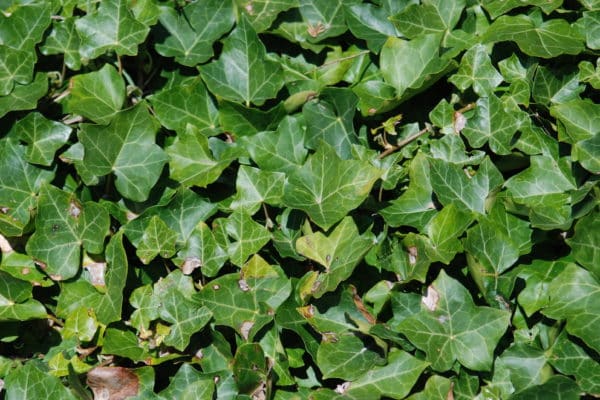
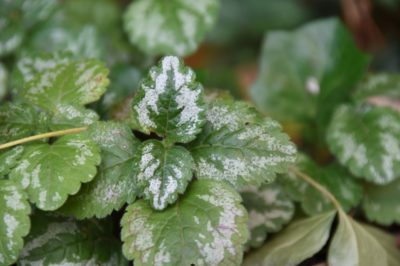
Image: Yellow Archangel (Lamiastrum galeobdolon). Source: D. Hanna via ISCBC
Resources:
ISCBC has information about invasive species, removal, and a Grow Me Instead guide: website: https://bcinvasives.ca/
Grow Me Instead guide: Grow Me Instead - Invasive Species Council of British Columbia
app link: https://bcinvasives.ca/take-action/report/#RIapp
Metro Vancouver Invasive Species Council has great online resources about specific plants: Best Management Practices | ISCMV
Master Gardeners are happy to give advice about invasive species, or research an issue for you: GardeningAdvice.MilnerGardens@shaw.ca