Here is a recent question forwarded to (and answered by) the Vancouver Island Master Gardeners that may be of interest to others:
xxxxxxxxxxxxxxxxxxxxxxxxxxxxxxxxxxxxxxxxxxxxxxxxxxxxxxxxxxxxxxxx
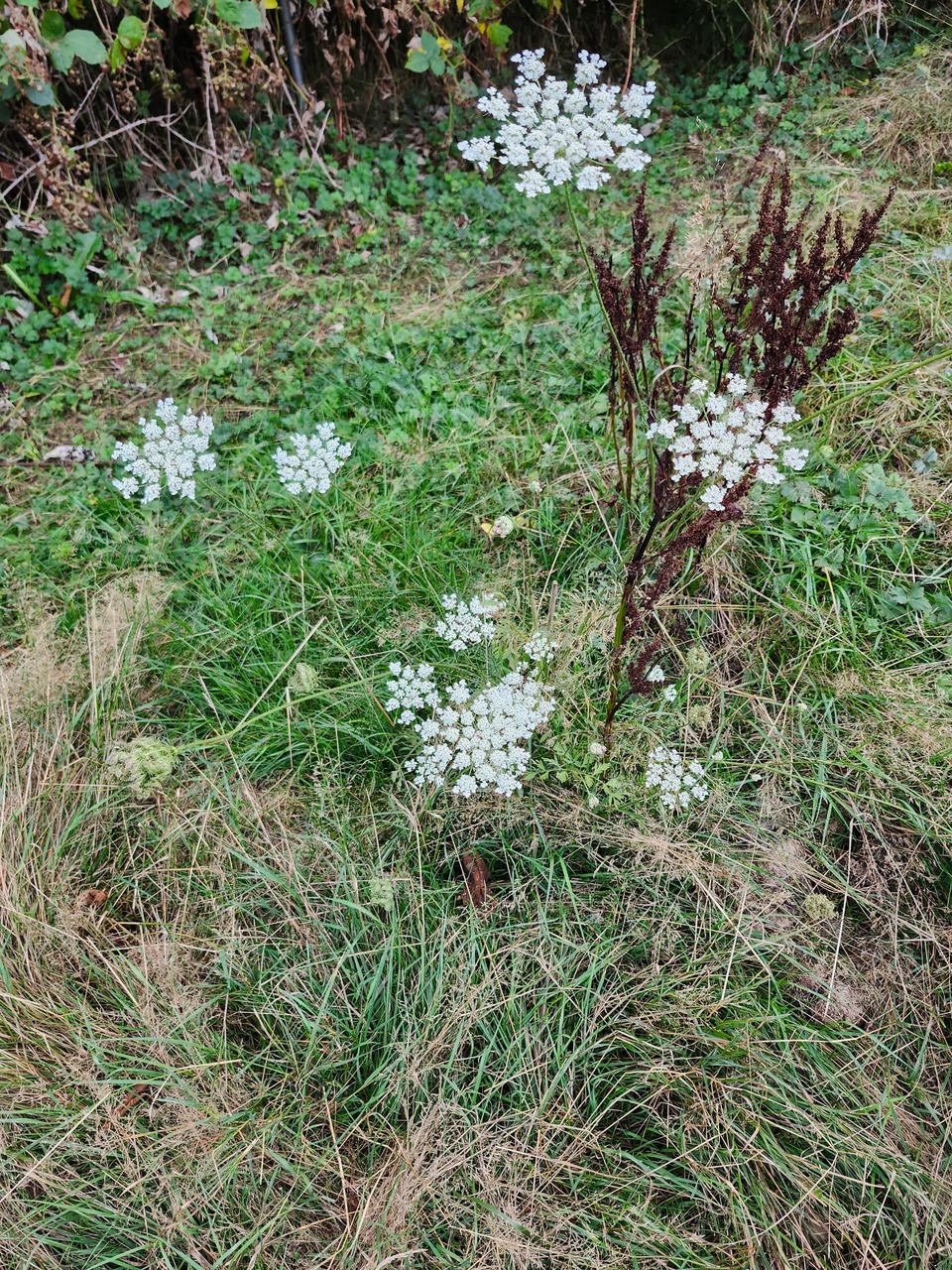
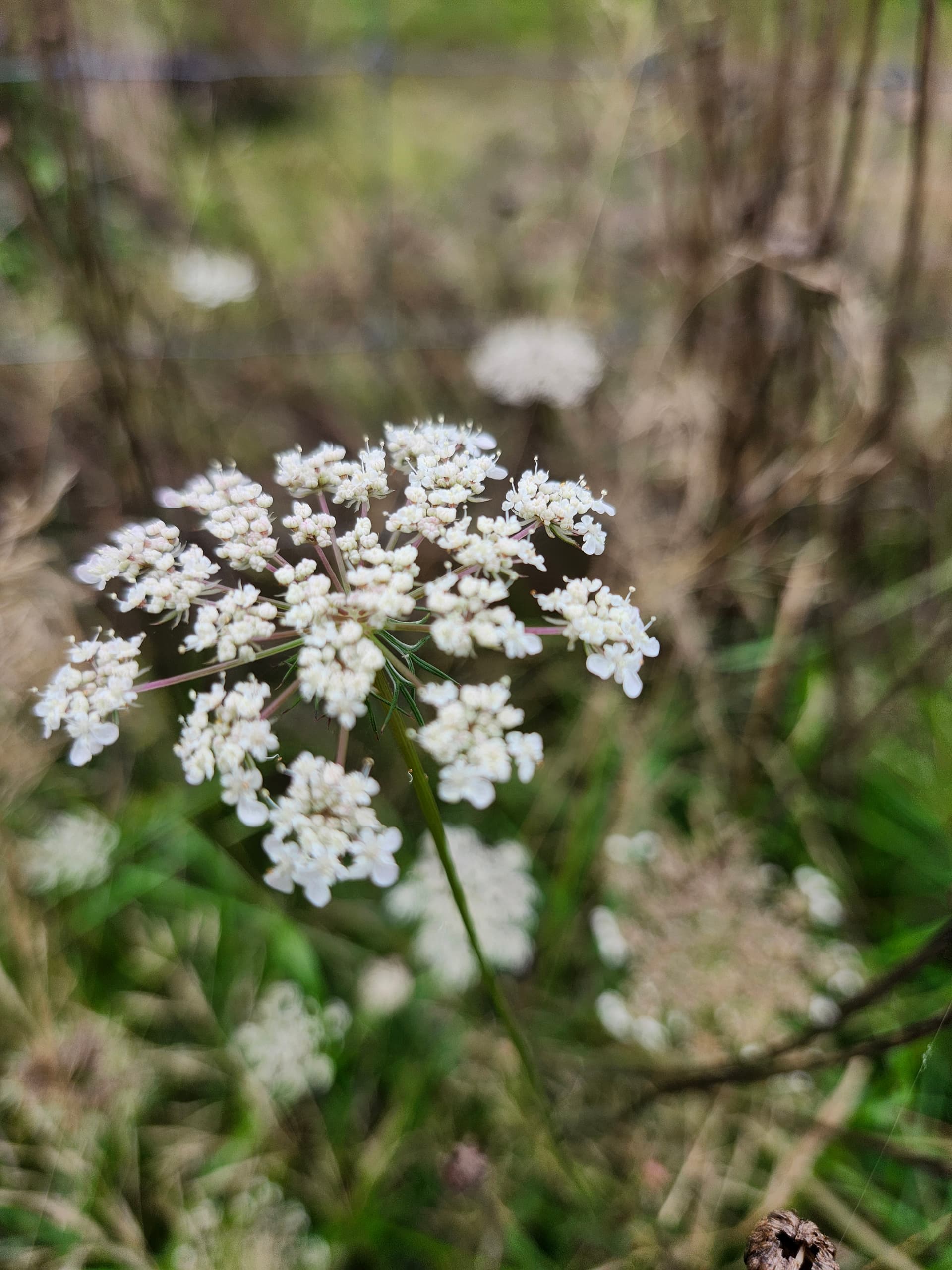
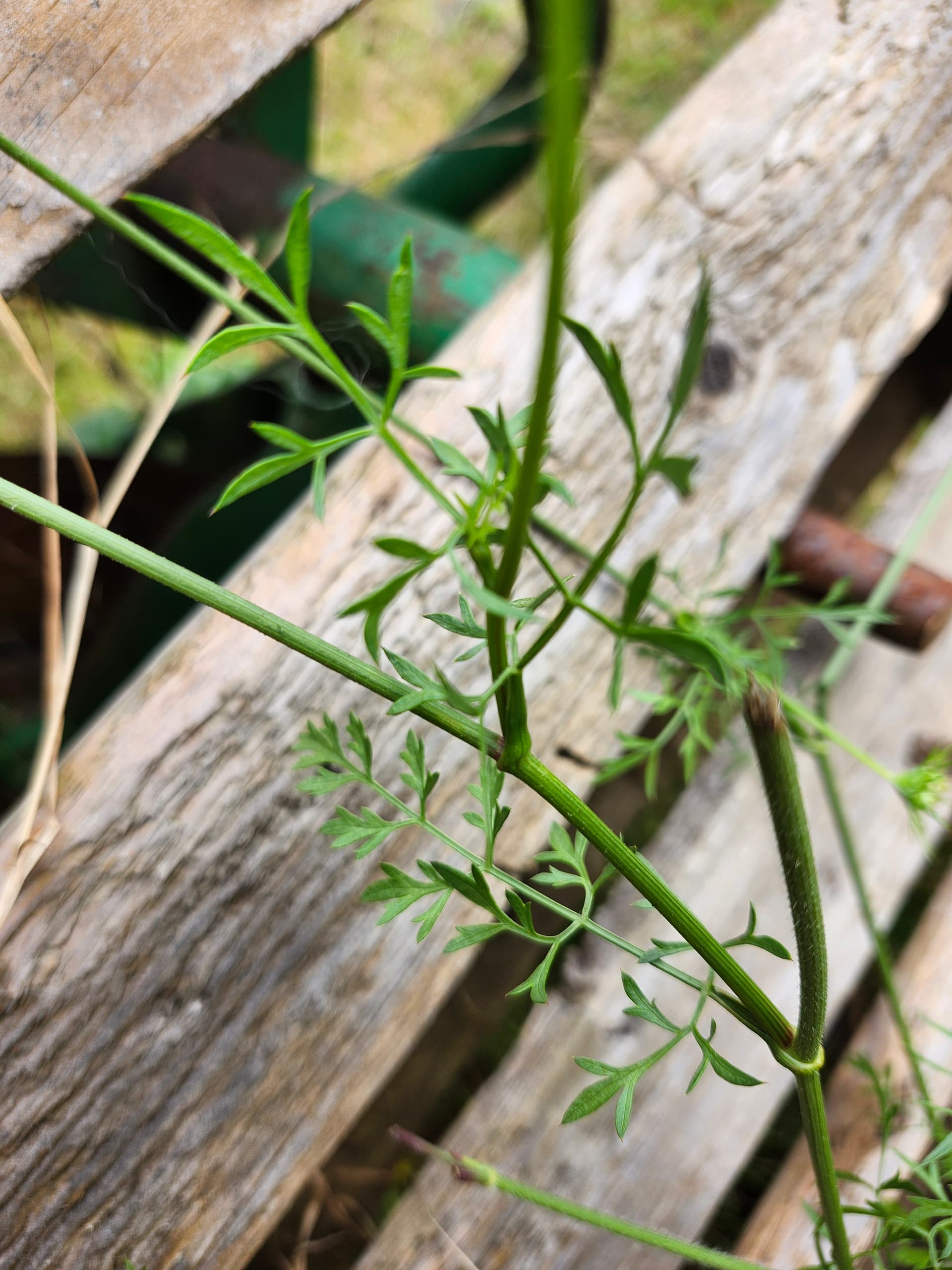
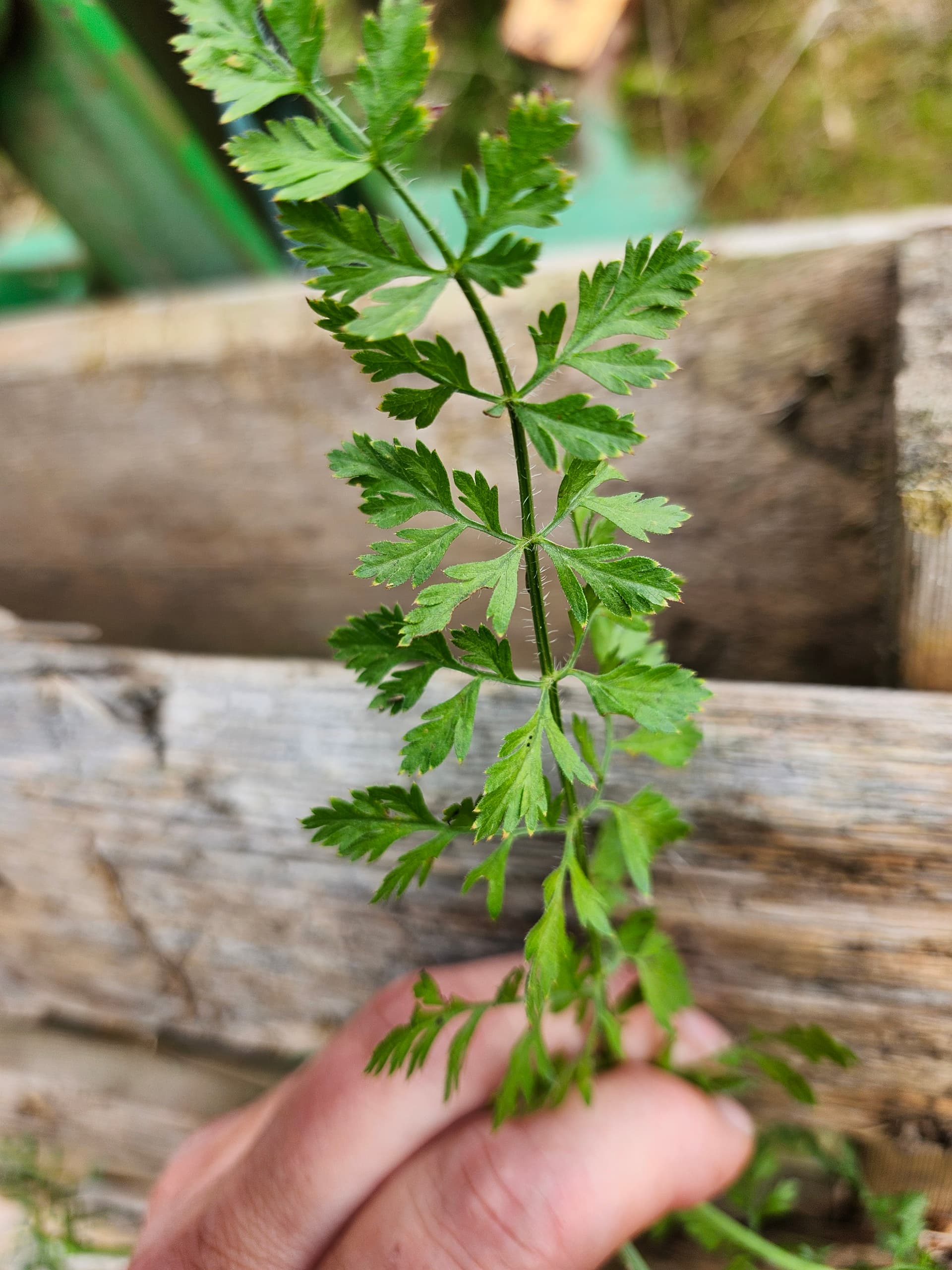
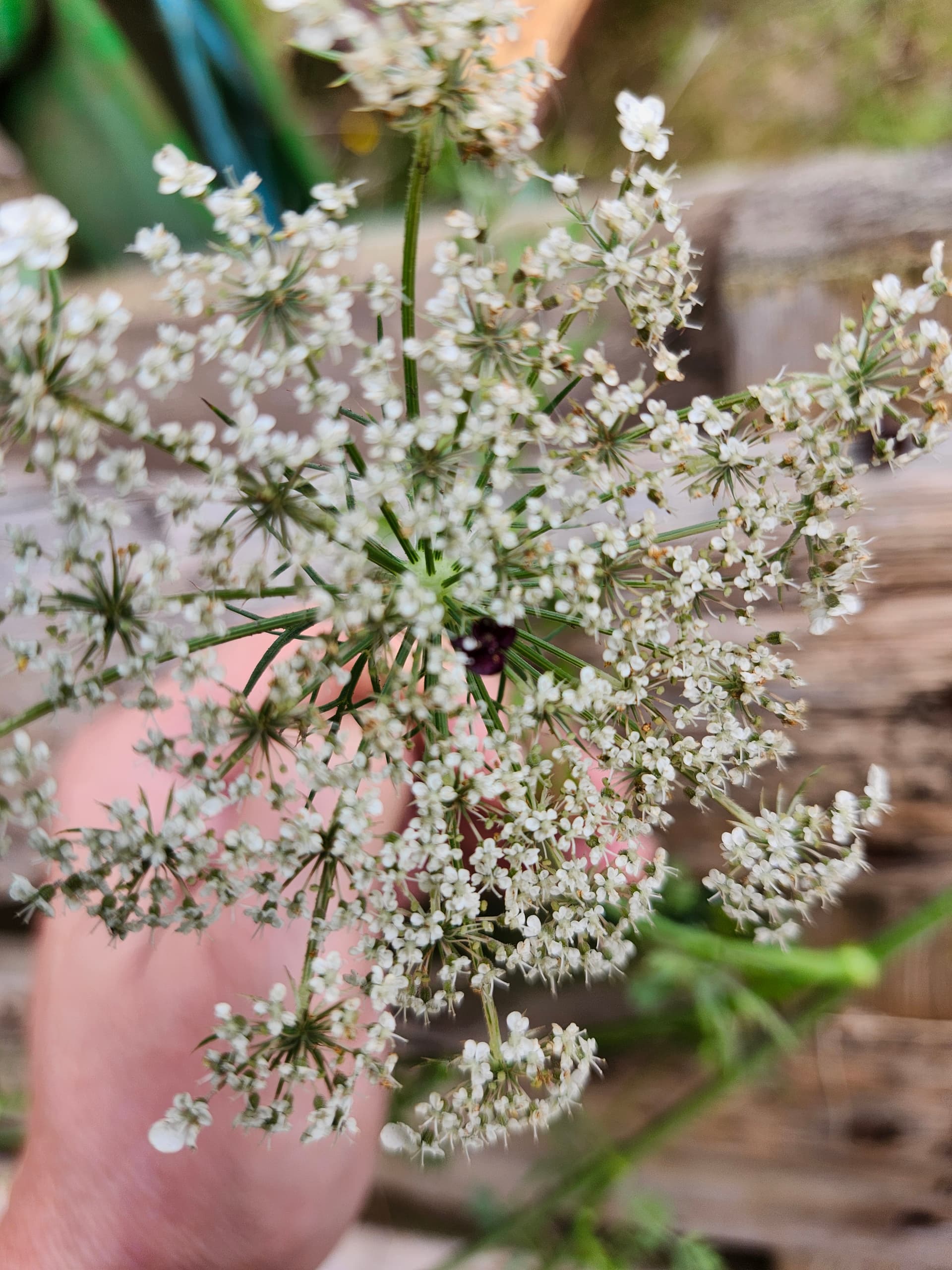
Hi I am concerned that I may have poison hemlock in a new field that I just rented for my horses. I will forward pictures. This is all around 2 feet high and growing in full sun areas. I do not notice a bad odor when crushed. So by the description I have read it does not sound like it but I want to be sure if you could help in anyway please let me know.
And here is the response from the Master Gardener volunteers from the Gardening Advice Line, a partnership between Milner Gardens and Woodland and the Vancouver Island Master Gardeners Association:
xxxxxxxxxxxxxxxxxxxxxxxxxxxxxxxxxxxxxxxxxxxxxxxxxxxxxxxxxxxxxx
Thank you for your interesting question and for providing several excellent photos. Your horses are fortunate to have such a caring owner who is looking out for them! The good news is that the plant in question is not the deadly Poison Hemlock but Daucus Carota – commonly known as Wild Carrot or Queen Anne’s Lace. Both Poison Hemlock and Wild Carrot originated in Europe and are a non-native, toxic and invasive species in BC. It grows in undisturbed areas such as roadsides and grasslands. While both plants are very similar in appearance, they have a couple of distinguishing characteristics which sets them apart: Poison hemlock has a smooth stem with purple blotches. Its flower cluster is rounded and it has hairless, triangular leaves. Queen Anne’s Lace has a green, hairy, ribbed stem. Easy to remember …..Queen Anne has hairy legs! Its flower cluster has a flat top that often has a single dark purple flower. Its leaves are hairy and fern-like. You can see the hairs clearly in your close up photos you sent. Both plants have clustered flowers which bloom from May to October. While Wild Carrot or Queen Anne’s lace is less toxic than Poison Hemlock, it can cause skin irritation for both humans, pets and livestock. Be sure to wear gloves and long sleeves to protect your hands and arms if in contact. Wild carrot (Queen Anne’s lace ) also contains cyanide and neurotoxins, and is considered to be toxic if ingested in large quantities, several equestrian organizations we checked cite Queen Anne’s Lace as dangerous to horses. Their list of dangerous plants also includes Bracken fern, milkweed, water hemlock and maples. Hopefully, if not too invasive in your case, we would recommend that you try to remove as much of the Queen Anne’s Lace as you can as a precaution. The best time to do this is in the spring before the flowers and seeds have been formed. However, as the flowers are already in bloom, the plant will be easy for you to find this time of year. We suggest first removing the flowers and seeds to prevent further spread of the plant in future. In the spring mow the infested area to control growth and prevent flowers and seeds from developing.
We hope this information has been helpful and gives you some peace of mind concerning the welfare of your horses.
Vancouver Island Master Gardeners